
Do these tasks over winter to help your yard recover faster in the spring.
Most Twin Cities homeowners view winter as a time to forget about their landscapes entirely. The yard disappears under snow, outdoor work becomes miserable in sub-zero temperatures, and spring seems impossibly distant. But savvy homeowners understand that winter offers unique opportunities to prepare for the growing season ahead—tasks that give you a significant head start when the ground finally thaws and everyone else scrambles to catch up.
At Minnesota Landscapes, we've been helping Twin Cities homeowners create and maintain beautiful outdoor spaces since 1996. Over nearly three decades of Minnesota winters, we've learned which winter tasks deliver the biggest spring benefits and which activities are best saved for warmer weather. This guide shares ten essential winter landscape tasks that position your property for outstanding spring results while keeping you productive during months when outdoor work typically grinds to a halt.
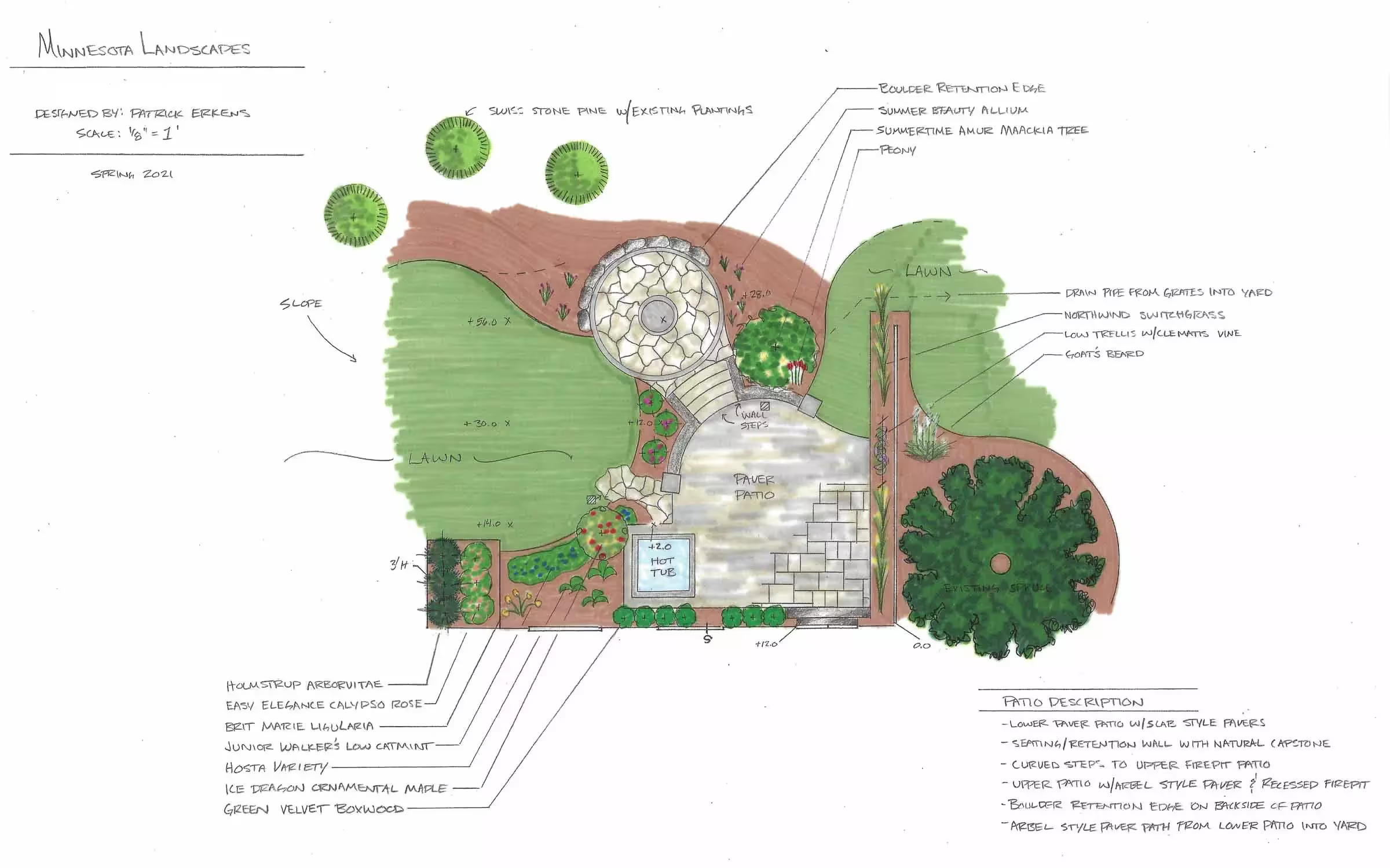
Winter provides the perfect opportunity for thoughtful landscape planning without the pressure of immediate implementation. While your property rests under snow, you can develop comprehensive plans, research options, and secure professional services before the spring rush makes everyone unavailable.
Why Winter Planning Delivers Superior Results
During spring and summer, landscape professionals stay booked solid with installation work. Homeowners who wait until March or April to start planning often can't get on schedules until mid-summer or even fall. By planning during winter, you secure preferred timing with quality contractors who appreciate early bookings and often offer planning incentives.
Winter planning also allows more thoughtful decision-making. You're not rushing to get projects done before summer entertaining season. You can research options thoroughly, compare materials, and develop designs that truly fit your vision rather than settling for whatever's available when you finally commit to moving forward.
What to Plan During Winter Months
Consider major projects you've been postponing: that new paver patio you've wanted for years, landscape renovation to improve curb appeal, tree removal of specimens that concern you, outdoor lighting installation to extend evening enjoyment, or complete exterior design that transforms your property into the outdoor destination you've always envisioned.
For each project, research options, gather inspiration from project galleries and portfolios, clarify your budget parameters, and identify must-have features versus nice-to-have additions. This preparation enables productive conversations with designers and contractors when you're ready to move forward.
At Minnesota Landscapes, we offer complimentary design consultations during winter that allow unhurried discussions about your goals, property challenges, and possibilities. Our design team can develop comprehensive plans during winter months, positioning your project for spring installation when conditions allow.
Winter dormancy creates ideal conditions for pruning most deciduous tree species. While your neighbors wait for spring to think about tree care, you can take advantage of optimal pruning timing that reduces stress, prevents disease transmission, and improves visibility for structural work.
Why Winter Is Prime Pruning Season
Deciduous trees enter true dormancy during Minnesota's coldest months, when all growth processes have stopped completely. Pruning during dormancy minimizes stress on trees because they're not actively growing or transporting nutrients. Wounds begin healing immediately when growth resumes in spring, allowing trees to compartmentalize damage before disease organisms become active.
The absence of leaves provides unobstructed views of tree structure, making it far easier to identify and address problems. Dead wood, crossing branches, weak attachments, and structural issues that hide beneath summer foliage become obvious in winter. This improved visibility results in better pruning decisions and superior long-term tree structure.
Winter pruning also eliminates disease transmission risks for species like oaks that are vulnerable to oak wilt during growing season when insect vectors are active. For oaks, winter represents the only truly safe pruning window.
What Trees to Prune in Winter
Most deciduous shade trees including oaks, maples, elms, ashes, and lindens benefit from winter pruning. You can perform structural pruning on young trees, maintenance pruning on mature specimens, and corrective pruning to address storm damage or structural problems.
However, spring-flowering trees like magnolias, crabapples, and redbuds should wait until immediately after flowering to avoid removing next year's flower buds. Similarly, birches and maples that "bleed" sap heavily in late winter and early spring are best pruned in mid-winter before sap begins rising.
Our ISA Certified Arborists can evaluate your property's trees and recommend optimal pruning timing for each species. Rick Morrison, our Operations Manager with ISA credentials, brings decades of experience to pruning decisions that enhance tree health and structure.
Soil testing during winter provides critical information for spring planting success. Professional soil analysis reveals pH levels, nutrient deficiencies, organic matter content, and other factors that determine plant health. Winter testing allows time to correct problems before planting season arrives.
Why Soil Testing Matters in Minnesota
Twin Cities soil conditions vary dramatically even within individual properties. Some areas have heavy clay that drains poorly and limits root growth. Others feature sandy soils that drain too quickly and don't retain nutrients well. Many properties include construction debris, compacted subsoil, or contaminated fill that creates hostile growing conditions.
Without understanding your soil's characteristics, you're essentially gambling on plant success. Some species thrive in conditions that kill others. Soil testing removes the guesswork, allowing you to select appropriate plants or amend soil to support species you want to grow.
How to Test Soil in Winter
While you can't collect soil samples from frozen ground, you can plan testing for early spring or conduct indoor testing on samples collected in fall. The University of Minnesota Soil Testing Laboratory provides comprehensive analysis including pH, phosphorus, potassium, organic matter content, and recommendations for amendments.
For homeowners who collected samples last fall, winter provides time to interpret results and plan amendments. Lime to raise pH, sulfur to lower it, compost to improve structure, and specific nutrients to correct deficiencies can all be sourced during winter for spring application when ground thaws.
Planning Soil Improvements
Based on soil test results, develop comprehensive amendment plans that address deficiencies before planting. This might include incorporating several inches of compost into planting beds, adjusting pH with lime or sulfur applications, adding specific nutrients through targeted fertilization, or installing drainage improvements in areas with heavy clay and poor water movement.
Winter planning ensures amendments are ready for application the moment conditions allow in spring, giving your landscape a strong foundation for the growing season ahead.
Spring plant availability depends heavily on early ordering. Nurseries stock limited quantities of specific cultivars, and popular varieties sell out quickly once spring arrives. Winter research and early ordering secures exactly the plants you want rather than settling for whatever remains available.
Benefits of Early Plant Ordering
Wholesale nurseries and garden centers place their major orders with growers during winter for spring delivery. When you order early, you're selecting from full inventory before the spring rush depletes popular items. This is particularly important for specific cultivars, larger specimen sizes, and quantities needed for hedges or mass plantings.
Early ordering also allows more thoughtful plant selection. You can research mature sizes, growth rates, bloom times, and care requirements without the pressure of immediate planting decisions. This research-based approach results in better plant choices and fewer regrets about impulse purchases that don't quite fit your needs.
What to Research During Winter
Develop complete plant lists for spring installation including shade trees for long-term canopy development, flowering trees for seasonal interest, shrubs for structure and screening, perennials for seasonal color and pollinator support, and ornamental grasses for texture and movement.
For each plant, research its mature size, growth rate, sun and shade requirements, soil preferences, hardiness zone rating, and maintenance needs. Verify that plants fit your specific conditions rather than assuming anything listed for "Minnesota" will thrive on your property.
At Minnesota Landscapes, our plant specialists including Kelly Bremer help clients select species proven to thrive in Twin Cities conditions. We work with quality nurseries that provide healthy, properly grown specimens sized appropriately for your landscape goals.
Winter offers ideal timing for garden tool maintenance that ensures everything works properly when spring arrives. Cleaning, sharpening, and repairing tools during winter prevents frustrating delays when you're ready to start spring work.
Essential Tool Maintenance Tasks
Start by inventorying all garden tools and equipment, identifying anything missing, broken, or needing replacement. Clean tools thoroughly to remove soil, sap, and debris that causes rust and deterioration. Use wire brushes for stubborn deposits, then wipe metal surfaces with light oil to prevent rust during storage.
Sharpen pruners, loppers, shears, and shovels using appropriate files or sharpening tools. Sharp tools make cleaner cuts that heal faster, require less effort to use, and work more efficiently than dull equipment. This simple maintenance dramatically improves your effectiveness during spring work.
Inspect wooden handles for splinters, cracks, or looseness. Sand rough spots smooth and apply linseed oil to preserve wood and prevent moisture damage. Replace cracked or broken handles before tools fail completely during use.
Equipment Servicing and Repair
Mowers, trimmers, and other power equipment need winter servicing to ensure reliable spring startup. Change oil and spark plugs, clean or replace air filters, sharpen or replace blades, and address any mechanical issues noted during last season's use.
Consider professional servicing for complex equipment if you're not comfortable with maintenance tasks. Many repair shops offer winter servicing with faster turnaround and lower rates than their spring and summer rush periods.
Organizing for Efficiency
Use winter time to organize storage areas for maximum efficiency. Install pegboards or hooks for hanging tools where they're easily accessible. Create dedicated spaces for different tool categories—pruning equipment together, digging tools in one area, and so on. Label storage locations and maintain inventory lists that prevent buying duplicates of items you already own but can't find.
This organization pays dividends throughout the growing season with reduced time searching for tools and equipment when you're ready to work.
Your patios, walkways, and other hardscape features face serious threats during Minnesota winters. Regular monitoring and protective measures prevent damage that costs thousands to repair.
Essential Hardscape Winter Monitoring
Inspect pavers, concrete, and natural stone surfaces after each major snow or ice event. Look for cracks developing, settled or heaved sections, and joint sand erosion. Early detection allows you to document problems for spring repair and prevents additional damage from developing.
Check drainage around hardscapes to verify water flows away properly rather than pooling where it freezes and causes damage. Ice dams forming along edges signal drainage problems requiring attention.
Monitor edge restraints holding patio perimeters in place. Freeze-thaw cycles stress these systems, and failure allows paver migration that worsens rapidly once started. Addressing edge problems before they progress saves significant repair costs.
Protecting Hardscapes During Winter
Remove snow promptly using plastic shovels or snow blowers with rubber-edged augers that won't damage surfaces. Avoid metal tools that scratch pavers and chip edges.
Use hardscape-safe deicing products sparingly or rely on sand for traction. Rock salt damages pavers and joints while killing landscape plants when spring melt carries salt-laden water into beds.
For detailed guidance on winter hardscape protection, refer to our comprehensive guide on preventing freeze-thaw damage to patios and pavers. This resource covers everything from proper snow removal to drainage management to joint maintenance that protects your investment.
Winter provides uninterrupted time for detailed planting bed design that considers seasonal interest, plant combinations, and long-term maintenance requirements. Quality design prevents the common problem of beds that look great at installation but disappointing after plants mature.
Planning for Multi-Season Interest
Great planting beds provide visual interest from early spring through late fall and even offer winter structure. This requires selecting plants with staggered bloom times, varying foliage colors and textures, and structural elements that shine in every season.
Map out bloom progression ensuring continuous color from early bulbs through late-season perennials. Plan foliage combinations that create interest even when plants aren't flowering. Include evergreen elements that provide structure during winter months.
Considering Mature Sizes and Growth Patterns
One of the most common landscape mistakes involves planting without understanding mature sizes. That cute shrub at the garden center becomes a monster covering windows and crowding neighboring plants within a few years.
Winter research allows careful study of mature plant dimensions, spread patterns, and growth rates. Design with mature sizes in mind, allowing appropriate spacing that prevents overcrowding while creating full, lush appearance as plants establish.
Low-Maintenance Design Strategies
For homeowners who want beautiful landscapes without intensive maintenance, design choices make tremendous difference. Select slow-growing shrubs requiring minimal pruning, perennials that don't need frequent division, and plants proven to resist pests and diseases in Minnesota conditions.
Group plants with similar water and nutrient needs together for efficient care. Minimize high-maintenance elements like annual beds that require replanting each year. Focus on sustainable, returning plants that improve with age rather than demanding constant replacement.
Our designers excel at creating low-maintenance landscapes that deliver outstanding beauty without overwhelming care requirements. Client feedback consistently praises how our plant selections thrive without demanding intensive attention.
Outdoor lighting transforms landscapes from spaces enjoyed only during daylight to destinations that extend your living area well into evening. Winter planning ensures lighting installations are complete before summer entertaining season begins.
Why Winter Is Ideal for Lighting Planning
During winter, it's easy to see which areas of your property lack adequate lighting and where safety or security concerns exist. Dark winter evenings reveal exactly what outdoor lighting could improve, from illuminating walkways for safety to highlighting architectural features to creating ambiance in entertainment areas.
Winter also allows thoughtful lighting design without rushing to complete installations before events or entertaining seasons. You can research fixture styles, plan lighting zones and control systems, and develop comprehensive designs that address all your outdoor lighting needs.
Key Areas to Consider for Lighting
Path lighting improves safety along walkways, driveways, and steps while creating welcoming illumination that guides visitors to entrances. Accent lighting showcases trees, architectural features, and focal points that deserve emphasis. Ambient lighting in patios and outdoor living areas extends usability into evening hours.
Security lighting deters unwanted activity while providing peace of mind. Task lighting in outdoor kitchens, grilling areas, and work zones enables specific activities after dark.
At Minnesota Landscapes, our lighting installations transform properties after dark. We design layered lighting systems that provide safety, security, and beauty while remaining energy efficient through LED technology and zoned control systems.
Winter provides perfect timing for comprehensive landscape assessments that identify problems, opportunities, and maintenance needs before spring work begins. Professional evaluation reveals issues you might miss and provides prioritized recommendations for improvements.
What Professional Assessment Covers
Comprehensive landscape assessment includes tree health evaluation and hazard identification, plant health and pest or disease problems, hardscape condition and needed repairs, drainage issues requiring correction, and overall design evaluation identifying enhancement opportunities.
Professional assessment also considers your goals and lifestyle needs, suggesting modifications that improve functionality and enjoyment. This objective evaluation often reveals simple changes that dramatically improve landscape performance and appearance.
Prioritizing Improvements and Repairs
Assessment reports typically prioritize findings into critical issues requiring immediate attention, important improvements that should be addressed soon, and enhancement opportunities to consider when budget allows. This prioritization helps you allocate resources effectively rather than addressing random items or overlooking serious problems.
Our team provides detailed assessment reports with photos, specific recommendations, and cost estimates for suggested work. This information enables informed decision-making about your landscape investments.
Even if you're not ready to commit to major projects, winter research and inspiration gathering pays dividends when you do move forward. Creating vision boards and collecting ideas ensures clarity about your goals and aesthetic preferences.
Sources for Landscape Design Inspiration
Browse landscape design portfolios from professional companies to see completed projects and identify styles you love. Review project galleries showing real installations in Minnesota conditions rather than generic images from warmer climates.
Explore design magazines, websites like Houzz, and social media platforms for inspiration. Save images that resonate with your vision, noting specific elements you appreciate—material choices, plant combinations, lighting approaches, or spatial layouts.
Visit completed landscapes in your area during winter when structure and hardscape features are fully visible without foliage obscuring views. Notice how professional designs work in real Minnesota conditions and which elements withstand our climate challenges successfully.
Creating Effective Vision Boards
Organize inspiration images by project type or area—patio ideas, planting schemes, lighting examples, etc. Add notes about what specifically appeals to you in each image. Include practical information like approximate project sizes, materials used, and style descriptions that help designers understand your preferences.
Share vision boards with landscape professionals during consultation meetings. Visual references communicate far more effectively than verbal descriptions alone, ensuring designers understand your aesthetic goals and can develop plans matching your vision.
These ten winter tasks position your landscape for outstanding spring results while keeping you productive during months when outdoor work typically stops. From planning major projects to maintaining tools to protecting existing features, each activity contributes to smoother, more successful spring implementation.
The key to spring landscape success is starting now—during winter when you have time for thoughtful planning, securing professional services before schedules fill, and preparing your property for the burst of growth that arrives when Minnesota finally thaws.
At Minnesota Landscapes, we help Twin Cities homeowners create outdoor destinations that exceed expectations through thoughtful design, quality materials, and expert installation. Since 1996, we've been transforming properties across White Bear Lake, Woodbury, Eden Prairie, Edina, Minneapolis, St. Paul, and throughout the Twin Cities with comprehensive landscape design-build services.
Our winter design consultations provide unhurried opportunities to discuss your goals, evaluate your property's potential, and develop comprehensive plans ready for spring implementation. Our design-first approach ensures you get outdoor spaces fitting your lifestyle, budget, and topography rather than cookie-cutter solutions that miss the mark.
Whether you're planning a new paver patio and outdoor living space, complete landscape renovation, professional tree services, custom exterior lighting, or comprehensive exterior design, our team brings nearly three decades of Minnesota-specific expertise to every project.
Don't wait until spring when everyone else realizes they need professional landscape services. Contact Minnesota Landscapes today at 651-457-0000 or info@minnesotalandscapes.com to schedule your complimentary winter design consultation. Let's use these winter months to develop the perfect plan that positions your property for spring transformation and summer enjoyment.
Winter planning today creates the outdoor destination you'll love for decades to come.

