Japanese beetles can destroy hundreds of plant species in just a few weeks. Learn how to identify them, stop the damage, and protect your Twin Cities yard.
You walk out to your garden and something looks wrong.
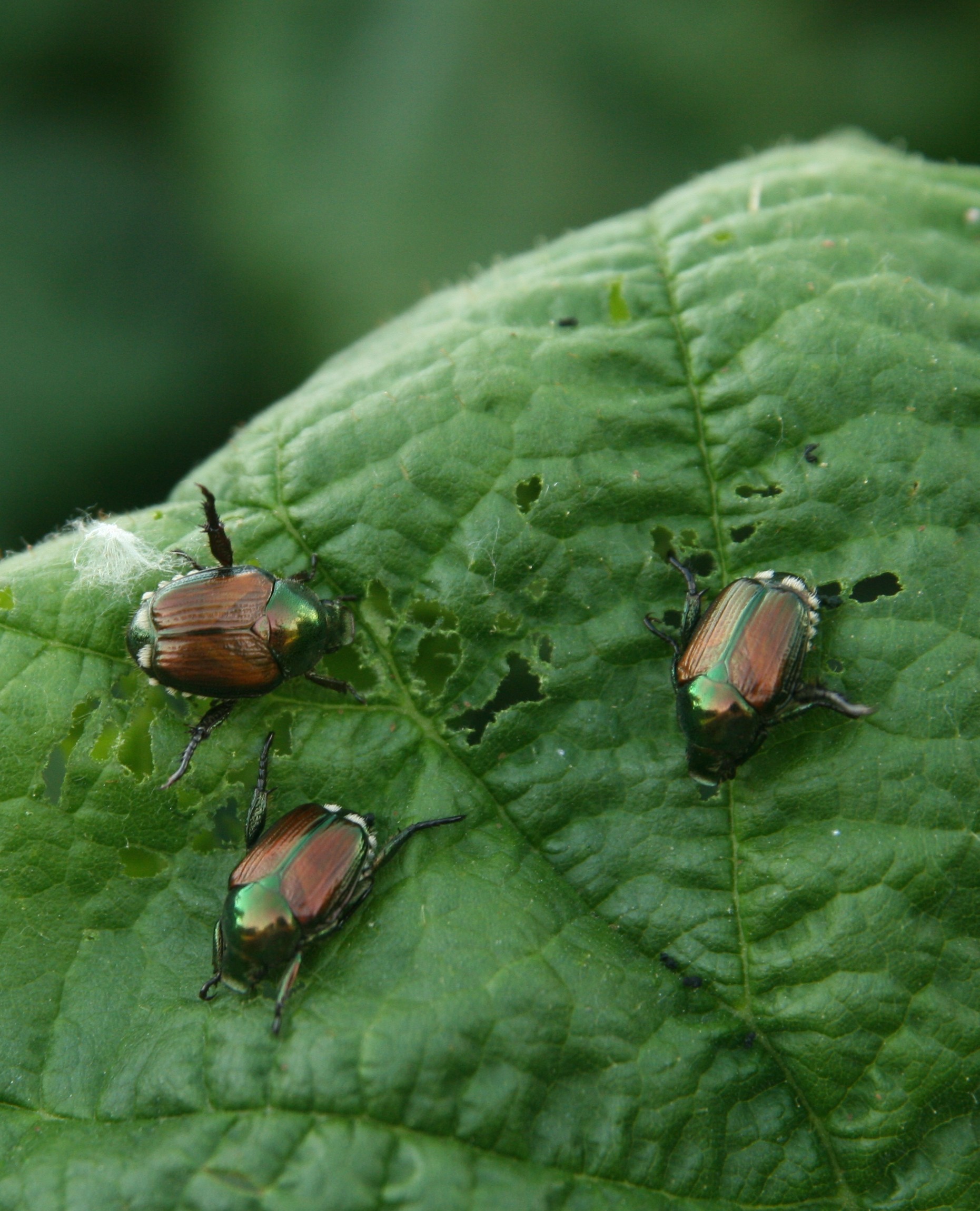
The leaves on your roses look like lace. Your birch tree looks like it got attacked overnight.
It probably did.
Japanese beetles are one of the most destructive landscape pests in Minnesota, and if you've never dealt with them before, they can do a shocking amount of damage in a short window of time.
Here's what you're dealing with and how to stop it.
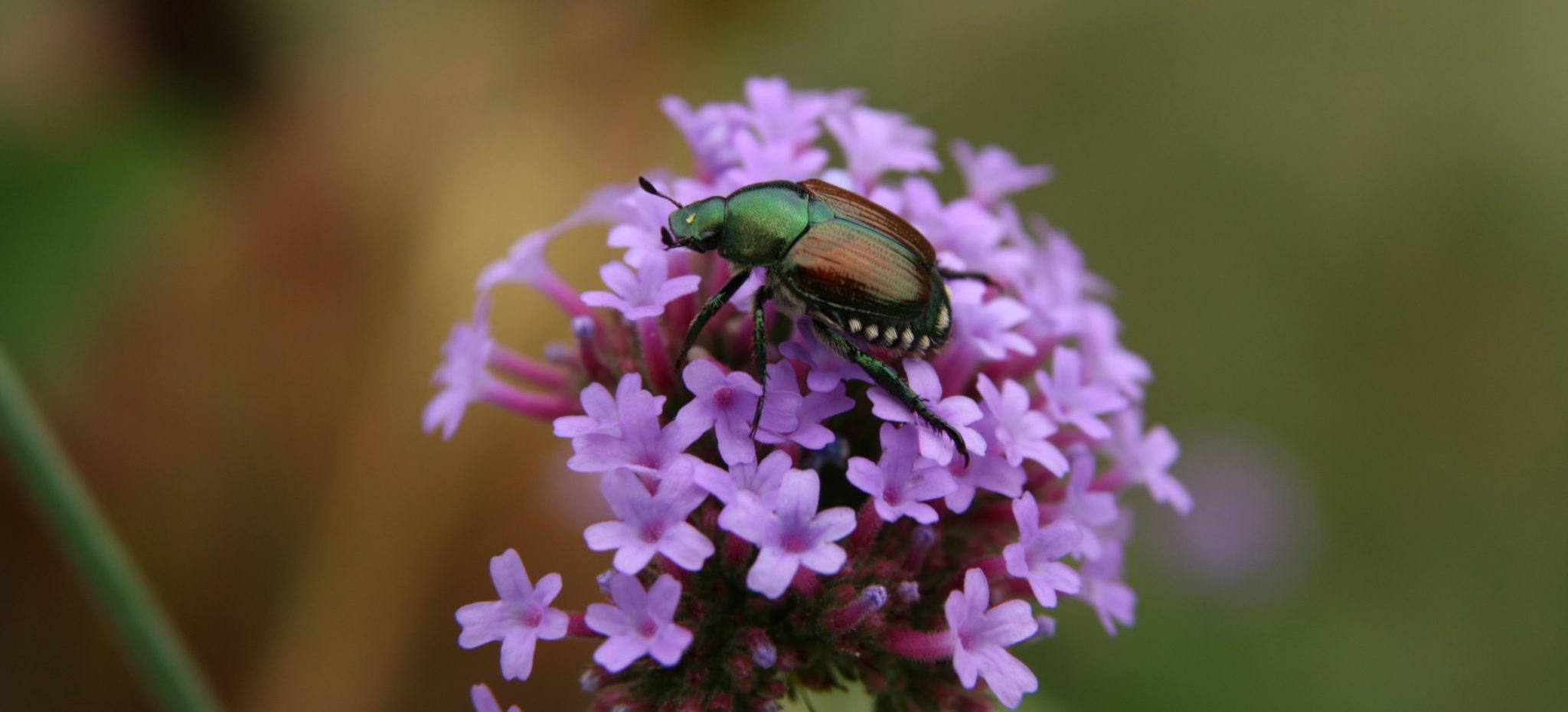
Shiny green body. Copper-colored wings. About the size of your thumbnail.
They're actually kind of pretty, which makes it annoying that they're so destructive.
Late June.
They emerge from the soil, feed aggressively for four to six weeks, and disappear by mid-August.
According to the University of Minnesota Extension, that window is when the damage happens fast. Don't wait to act.
Everything.
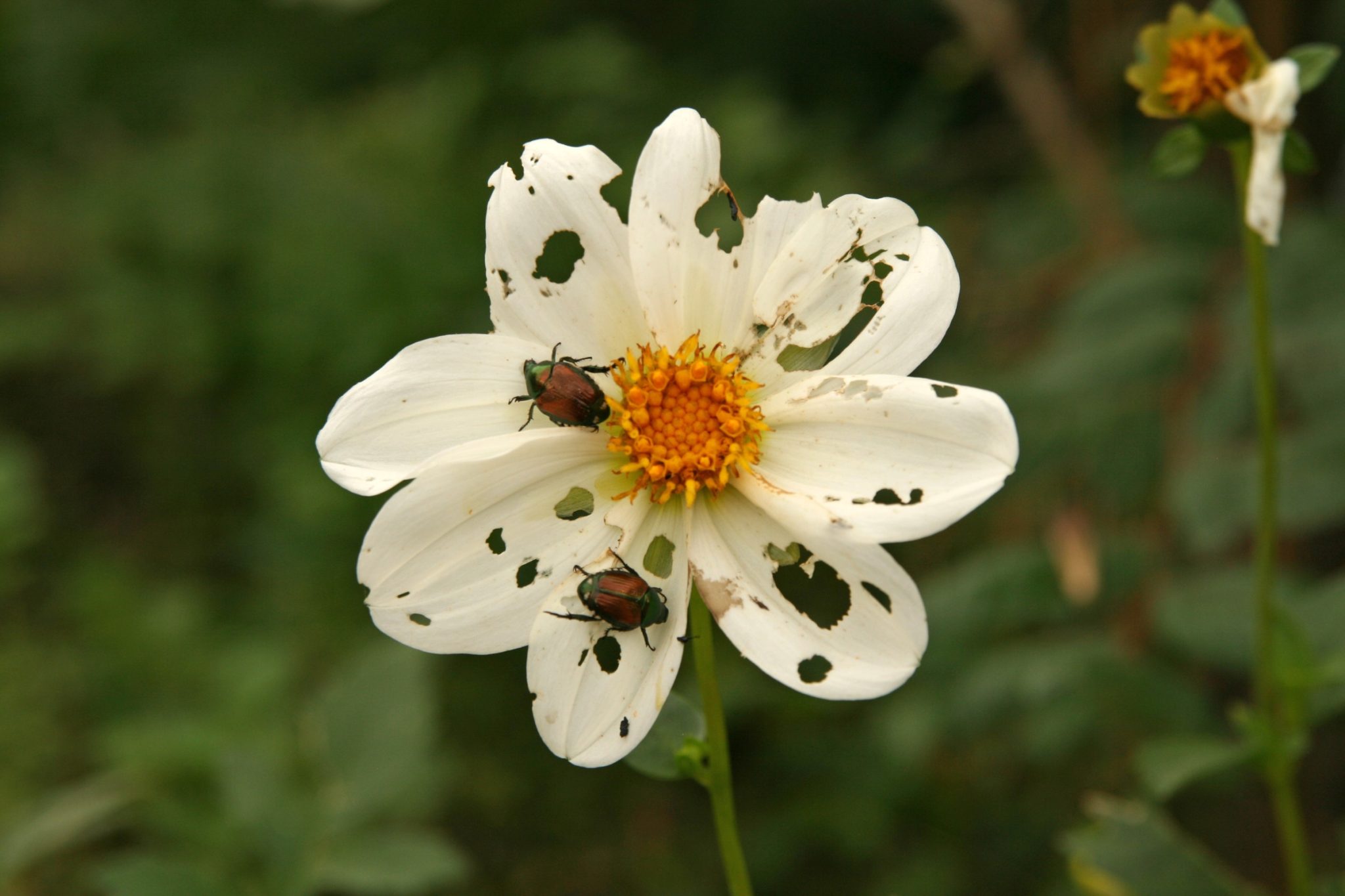
Roses, grapes, linden trees, birch, hostas. Over 300 plant species total.
They eat the soft tissue between the leaf veins and leave behind just the skeleton. That's the lace pattern you're seeing.
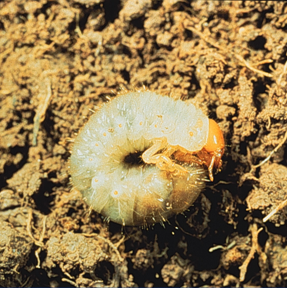
While adult beetles are eating your plants above ground, the females are laying eggs in your lawn.
Those eggs hatch into grubs that chew through grass roots all fall.
The result is brown patches, dead turf, and a yard that's suddenly soft and spongy underfoot.
If the same plants are getting hammered every summer, a one-time spray isn't going to solve it.
Our team holds pesticide applicator certification through the Minnesota Department of Agriculture. We assess what's getting hit, recommend the right treatment, and apply it correctly using both organic and synthetic products depending on what the situation actually calls for.
We've been doing this across the Twin Cities including Eagan, Woodbury, Apple Valley, and Cottage Grove since 1996. Our crew holds pesticide applicator certification through the Minnesota Department of Agriculture and has been managing pest and plant health across the Twin Cities since 1996.
If beetles are tearing up your yard, reach out. We'll take a look.