
When planning a landscape design project, make sure you ask these essential questions.
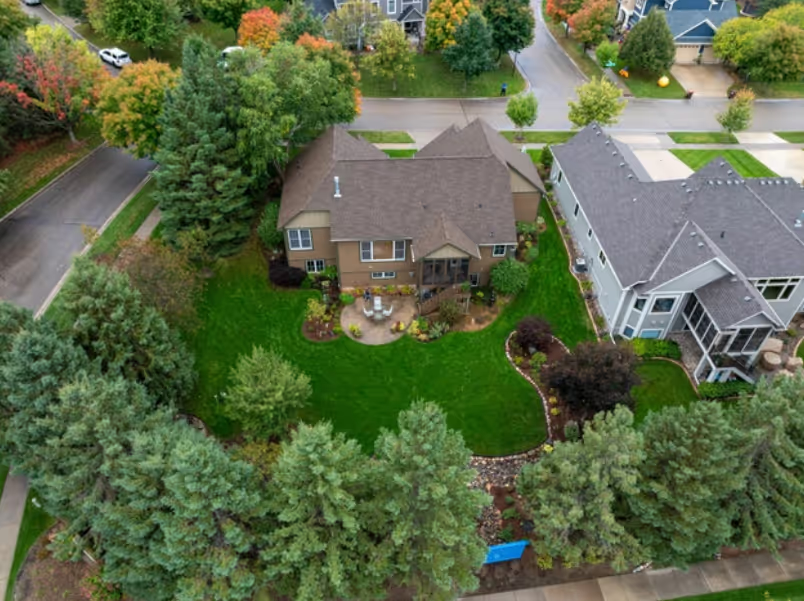
Choosing the right landscape designer can mean the difference between a yard you love for decades and one filled with regrets. Most homeowners have never hired a landscape designer before, so they don't know what questions to ask or what red flags to watch for. The result? Too many people end up with arbitrarily placed patios, poorly chosen plants, drainage problems, and outdoor spaces that don't fit their lifestyle or budget.
At Minnesota Landscapes, we've been helping Twin Cities homeowners create thoughtfully designed outdoor living spaces since 1996. Over nearly three decades, we've seen what happens when people skip the design process or choose contractors without proper qualifications. We've also witnessed the transformation that occurs when homeowners work with professional designers who truly understand their needs, their property's constraints, and Minnesota's challenging climate.
This guide shares the ten most important questions you should ask any landscape designer before starting your project. These questions will help you identify qualified professionals, avoid costly mistakes, and ensure your outdoor living space exceeds your expectations rather than becoming a source of frustration.
Minnesota's climate presents unique challenges that designers from other regions simply don't understand. Our growing season is short, our winters are brutal, and our soil conditions vary dramatically across the Twin Cities. A designer who learned their craft in warmer climates may suggest beautiful plants that won't survive a single Minnesota winter, or hardscape materials that crack apart during freeze-thaw cycles.
Why This Question Matters
Climate-specific experience determines whether your landscape will thrive or merely survive. Professional designers who've worked in Minnesota for years understand which trees and shrubs handle our Zone 4 conditions, which perennials provide reliable color, and which hardscape materials withstand decades of freeze-thaw cycles without deteriorating.
They know that frost penetration typically reaches 3-6 feet in our region, affecting everything from patio bases to retaining wall footings. They understand that February and March bring the most damaging freeze-thaw cycles, and they design accordingly. This knowledge can't be learned from books—it comes from years of seeing what works and what fails in actual Twin Cities conditions.
What to Look For in Their Answer
Strong candidates will discuss specific Minnesota challenges and explain how they address them. They should mention winter desiccation for evergreens, the importance of proper drainage given our heavy spring precipitation, and the need for snow-load considerations in pergola and structure design. They might reference University of Minnesota Extension guidelines or discuss partnerships with local nurseries that stock regionally appropriate plants.
Red flags include vague answers about "adapting designs to any climate" or suggestions that seem more suited to warmer regions. If they can't discuss Minnesota-specific plant hardiness zones or don't mention winter protection strategies, they lack the specialized knowledge your project requires.
A designer's portfolio reveals far more than their website claims ever could. Actual completed projects demonstrate design aesthetic, attention to detail, project scale experience, and—most importantly—how designs look after installation rather than just in renderings.
Why Portfolio Review Is Critical
Every designer can show you beautiful computer renderings or sketches. But those images don't reveal whether they understand proper construction techniques, select appropriate materials, or create spaces that function well for real families. Completed project photos show the reality of their work, including how well hardscapes are integrated with plantings, whether proportions feel right, and if outdoor spaces look thoughtfully designed or haphazardly assembled.
Pay particular attention to projects similar in scope and style to what you're planning. If you want a contemporary patio with clean lines and architectural plantings, but their portfolio shows only cottage-garden styles, they may not be the right fit regardless of their technical competence.
Evaluating Portfolio Projects
Ask to see projects that are at least 2-3 years old. This reveals how designs mature over time and whether plant selections thrive or merely survive. Recently installed projects look impressive, but established landscapes show whether the designer truly understands plant growth patterns, maintenance requirements, and long-term aesthetic development.
Request to see a range of project types and budgets. Designers who only show high-end installations might not be comfortable working within moderate budgets. Those with diverse portfolios demonstrate adaptability and creativity across different constraints and styles.
At Minnesota Landscapes, our project gallery showcases completed work across White Bear Lake, Woodbury, Eden Prairie, Edina, Minneapolis, St. Paul, and throughout the Twin Cities. We're proud to show both newly installed projects and established landscapes that have matured beautifully over years of Minnesota seasons.
Landscape design requires specialized knowledge that goes far beyond general gardening or construction experience. Professional certifications demonstrate commitment to ongoing education, adherence to industry standards, and mastery of technical skills essential for successful projects.
Essential Credentials for Landscape Professionals
Different team members require different credentials depending on their roles. Landscape designers should have formal training through landscape architecture programs or certification through recognized professional organizations. For hardscape installation, ICPI (Interlocking Concrete Pavement Institute) certification ensures installers understand proper base preparation, drainage, and construction techniques that prevent premature failure.
Tree care requires ISA (International Society of Arboriculture) Certified Arborist credentials, demonstrating expertise in tree biology, proper pruning techniques, and disease management. For landscape lighting, certifications from organizations like AOLP (Association of Outdoor Lighting Professionals) indicate specialized knowledge in design and installation.
PLT (Professional Landcare Technician) certification covers multiple aspects of landscape management, from plant identification to irrigation systems. Pesticide applicator licenses are required for anyone applying fertilizers or pest control products, ensuring they understand safe, effective application methods.
Why Minnesota Landscapes' Credentials Matter
Our Operations Manager Rick Morrison holds ISA Certified Arborist, ICPI, PLT, and Pesticide Applicator certifications—a combination that ensures every aspect of your project receives expert attention. Our designers, including Patrick Erkens who has been with us since 2009, bring years of specialized experience in hardscape design and outdoor living space planning. Owner Rick Bliss started the company in 1996 as a Master Gardener and Certified Arborist, establishing our foundation of horticultural expertise.
These credentials aren't just letters after names—they represent thousands of hours of training, testing, and continuing education that directly benefit every project we undertake. When you work with credentialed professionals, you're getting expertise that prevents costly mistakes and ensures superior long-term results.
The design process reveals how a designer works, communicates, and prioritizes your needs. A well-structured process ensures nothing gets overlooked, while a vague or rushed approach often leads to disappointing results and expensive change orders.
Components of a Professional Design Process
Professional design begins with comprehensive site analysis. This includes evaluating sun exposure, soil conditions, drainage patterns, existing vegetation, views to preserve or screen, and how you currently use your space. Designers should spend significant time on your property, not just measuring but observing how water moves, where shadows fall, and what challenges or opportunities exist.
Next comes the consultation phase where designers learn about your lifestyle, aesthetic preferences, functional needs, and budget constraints. They should ask detailed questions about how you plan to use the space, who will maintain it, and what you love or hate about your current landscape. This information shapes every design decision that follows.
Conceptual design presents initial ideas, typically through sketches or preliminary renderings that explore different approaches. This stage invites your feedback before significant design time is invested in a single direction. Many homeowners find they can't visualize spaces from descriptions alone, so seeing options helps clarify preferences.
Final design includes detailed plans with plant specifications, hardscape materials, lighting locations, and other technical information needed for accurate installation. Professional designers provide enough detail that multiple contractors could bid on the same scope of work—this ensures you're comparing apples to apples rather than vague proposals.
Minnesota Landscapes' Design-First Philosophy
We call ourselves a design-first landscape contractor because we've seen too many homeowners with regrets about arbitrarily placed patios, poorly chosen plants, and outdoor spaces that don't fit their needs. Our design process ensures you get thoughtful outdoor living spaces that maximize your property's potential while fitting your lifestyle and budget.
Designer Kelly Bremer and Patrick Erkens work closely with homeowners to understand their vision, then develop designs that often exceed what clients imagined for themselves. We take ownership of getting the design right before installation begins, because we know that's where most landscaping regrets originate.
Money conversations make many people uncomfortable, but clarity on budget and costs prevents misunderstandings, surprises, and project failures. Professional designers understand this and approach budget discussions transparently from the beginning.
Understanding Design Fees and Project Costs
Many landscape designers charge separately for design services and installation. This allows homeowners to get professional designs even if they plan to install in phases or handle some work themselves. Design fees typically reflect the designer's time, expertise, and the detail level of deliverables.
Installation costs depend on project scope, materials selected, site conditions, and timing. Professional designers should provide detailed estimates that break down costs by major categories—hardscape materials and installation, plant materials and installation, lighting, irrigation, and other components. This transparency allows you to make informed decisions about where to invest and where to compromise if needed.
Red Flags in Pricing Discussions
Designers who are reluctant to discuss budget early in the process or who dismiss your budget constraints as unrealistic should raise concerns. Professional designers work within budget realities, helping clients maximize value rather than pushing them toward unnecessary expenses.
Similarly, suspiciously low bids often indicate inexperience, shortcuts in installation quality, or misunderstanding of project scope. The lowest price rarely delivers the best value, especially for projects you'll live with for decades.
At Minnesota Landscapes, we believe in budget transparency from our first conversation. We help clients understand what different investment levels can achieve, and we design around your topography, lifestyle, and budget constraints. Our goal is creating outdoor spaces that deliver exceptional value, not just selling the most expensive options.
Plant selection reveals a designer's depth of horticultural knowledge and whether they're choosing plants that will actually thrive on your property or simply using species they're familiar with regardless of suitability.
Beyond Pretty Pictures: Functional Plant Choices
Professional designers select plants based on multiple factors: hardiness zone compatibility, sun and shade requirements, soil preferences, mature size, maintenance needs, seasonal interest, and how they'll look years after installation. They consider deer resistance, disease susceptibility, and whether plants serve functional purposes like screening, privacy, or attracting pollinators.
A thoughtful designer explains not just what they're recommending but why each plant fits your specific situation. They should discuss growth rates, expected mature sizes, and what plants will look like in 5, 10, or 20 years. This forward-thinking approach prevents the common problem of plants outgrowing their spaces or failing to screen as intended because they were selected without understanding mature sizes.
Minnesota-Appropriate Plant Choices
Minnesota's challenging climate limits which plants will thrive, but that still leaves hundreds of excellent options for creating beautiful, functional landscapes. Professional designers working in our region know which cultivars offer improved winter hardiness, disease resistance, and reliable performance.
They understand the difference between plants rated for Zone 4a versus 4b, and they know which "zone-pusher" plants can succeed with proper siting and protection. They select spring bulbs that naturalize reliably, perennials that don't require constant division, and shrubs that provide multi-season interest without demanding intensive maintenance.
At Minnesota Landscapes, our team includes dedicated plant specialists who stay current on new cultivars, proven performers, and Minnesota-specific growing challenges. We don't just install plants—we ensure they're positioned for long-term success with appropriate soil amendments, proper planting depth, and strategic placement that accounts for winter wind, summer sun, and moisture availability.
Drainage problems cause more landscape failures than any other single issue. Poor drainage kills plants, undermines hardscapes, creates standing water and mosquito breeding grounds, and can even damage home foundations. Yet many contractors treat drainage as an afterthought rather than a fundamental design consideration.
Why Drainage Deserves Primary Attention
Minnesota receives significant precipitation, with spring rainfall increasing 10-15% since 1980 according to climate data. Our heavy clay soils prevalent across much of the Twin Cities don't drain well naturally, compounding water management challenges. Add in spring snowmelt and summer thunderstorms, and drainage becomes critical for landscape success.
Professional designers evaluate existing drainage patterns during site analysis, identifying where water flows during rain events and where it tends to accumulate. They design solutions that work with natural water movement rather than fighting it, directing runoff to appropriate areas while preventing erosion and standing water.
Drainage Solutions That Work
Proper grading forms the foundation of good drainage, sloping surfaces away from structures and toward appropriate collection or dispersal areas. For hardscapes like patios and walkways, correct base construction with adequate drainage stone prevents water from becoming trapped beneath pavers where freeze-thaw damage occurs.
French drains, catch basins, and underground piping systems handle concentrated water flows, directing them to rain gardens, dry creek beds, or municipal storm systems. Rain gardens serve dual purposes—managing runoff while creating attractive planted areas that support pollinators and wildlife.
During our interview with client Jim Raaf, he specifically praised how Minnesota Landscapes controlled all his gutter downspouts into underground piping with controlled outlets to prevent erosion. This attention to drainage prevented washout issues that had plagued his property's steep slope down to the lake.
Outdoor lighting transforms landscapes from spaces enjoyed only during daylight hours into destinations that extend your living space well into evening. Yet lighting design requires specialized knowledge that many landscape contractors lack.
Why Lighting Design Matters
Professional lighting does far more than simply illuminate—it creates ambiance, highlights key features, improves safety, and extends the usability of outdoor spaces. Thoughtful lighting design considers multiple layers: ambient lighting for overall visibility, task lighting for specific activities like grilling or dining, accent lighting to showcase trees and architectural features, and safety lighting for paths, steps, and transitions.
Poor lighting design shows itself in harsh glare, overly bright spaces that feel institutional rather than inviting, dark shadows between fixtures, and insufficient coverage of important areas. DIY lighting often uses too few fixtures placed without understanding beam angles, resulting in spaces that feel spotty and incomplete.
What Separates Professional Lighting Design
Professional designers trained in landscape lighting understand technical specifications like lumens, color temperature, and beam spread. They know which fixtures work best for different applications—path lights versus spotlights versus well lights. They design systems that can be controlled in zones, allowing you to adjust lighting for different occasions and uses.
They also understand voltage drop calculations, transformer sizing, and wire gauge requirements—technical details that ensure your lighting system works reliably for years rather than dimming or failing as fixtures are added or distances increase.
At Minnesota Landscapes, our lighting installations showcase properties beautifully after dark. We work with homeowners to understand how they'll use spaces in evening, then design lighting that enhances the experience whether they're entertaining guests or simply enjoying quiet time outdoors. Our crew members George and Rick have installed countless lighting systems that clients rave about for their transformative impact.
Many landscape companies employ a sales team that's completely separate from installation crews. The designer or salesperson you meet initially may never set foot on your property again after you sign the contract. This disconnect leads to miscommunication, installation that doesn't match the design intent, and frustration when problems arise.
Understanding Team Structure and Accountability
Ask specifically who will be on site during installation and what experience and training they have. Will it be the company owner, experienced crew leaders, or entry-level laborers? How long have crew members been with the company, and what relevant certifications do they hold?
Companies with high employee turnover often struggle with quality control because experienced workers who understand proper techniques aren't on site to guide installation. Long employee tenure signals a positive company culture and reliable quality standards.
Minnesota Landscapes' Team Approach
Our team includes crew members who've been with us for decades, bringing consistency and expertise to every project. George, even at 70 years old, works with boulders and delivers thorough, detail-oriented installation that clients consistently praise. Rick handles much of our lighting and tree work with skill developed over years of specialized experience.
This stability means the team members who work on your property understand our quality standards and bring years of hands-on experience to your project. We don't send inexperienced workers to learn on your property—we assign experienced professionals who take pride in their craftsmanship.
Our project managers Patrick Erkens and Daniel Nimtz stay involved throughout installation, ensuring designs are implemented correctly and addressing any questions or adjustments needed. This continuity from design through installation ensures your project matches the vision we developed together.
The relationship between homeowner and landscape contractor shouldn't end the day installation is complete. Professional companies stand behind their work with warranties, maintenance guidance, and ongoing support that ensures your investment thrives for years.
Warranties and Plant Guarantees
Understand what warranty coverage the company provides for materials, installation workmanship, and plant materials. Quality companies typically offer at least one-year warranties on plant materials, provided homeowners follow basic care instructions. Hardscape warranties might cover structural issues or material defects for longer periods.
Be wary of companies that offer no warranties or that have so many exclusions their warranties become meaningless. Professional contractors confident in their work stand behind it without excessive disclaimers.
Maintenance Support and Ongoing Care
Ask whether the company provides maintenance services or guidance to help you care for your new landscape. Many homeowners have never maintained the types of plants or features they've just installed, so professional guidance during that critical first year makes a tremendous difference in long-term success.
At Minnesota Landscapes, we don't just install and walk away. We provide detailed care instructions specific to your project, and we're available to answer questions as your landscape establishes. For homeowners who prefer professional maintenance, we offer ongoing services that keep landscapes looking their best year after year.
Our GROWTH values include being Willing to go the extra mile for clients and taking Ownership and responsibility for projects. That means we're responsive when you call with questions, and we work to resolve any concerns that arise even after your project is complete.
These ten questions provide a framework for evaluating landscape designers and identifying professionals who will deliver excellent results. The best designers won't be defensive about any of these questions—they'll welcome the opportunity to demonstrate their expertise, explain their process, and build your confidence in working with them.
Remember that the cheapest option rarely delivers the best value for projects you'll live with for decades. The right designer brings expertise that prevents costly mistakes, creates spaces that truly fit your lifestyle, and ensures your outdoor living areas enhance your property value rather than becoming sources of regret.
At Minnesota Landscapes, we've helped hundreds of Twin Cities homeowners create outdoor living spaces they love since 1996. Our design-first approach ensures you get thoughtful, professionally crafted landscapes that fit your topography, budget, and lifestyle. We bring nearly three decades of Minnesota-specific experience to every project, along with credentials including ISA Certified Arborist, ICPI, and PLT certifications that ensure every aspect receives expert attention.
Whether you're planning a new paver patio, complete landscape renovation, professional tree services, or custom exterior lighting, our team is ready to answer all your questions and help you create an outdoor destination that exceeds your expectations.
Contact Minnesota Landscapes at 651-457-0000 or info@minnesotalandscapes.com to schedule your complimentary design consultation. Let's discuss your project and show you why asking the right questions leads to outstanding results.

