Wondering what Twin Cities homeowners are actually investing in for their yards in 2026? Minnesota Landscapes breaks down the five trends reshaping local backyards — from year-round wellness spaces and low-maintenance native lawns to edible landscapes and smarter lighting.

Minnesota homeowners are done accepting a three-month patio season. In 2026, the backyard is being rebuilt to handle all 12 months — and the projects reflect it.
What this means for you: If you're budgeting a backyard project, think about access first. A sauna you can't safely reach in February doesn't get used. Plan the heated path, the screens, and the structure together — not as separate add-ons.
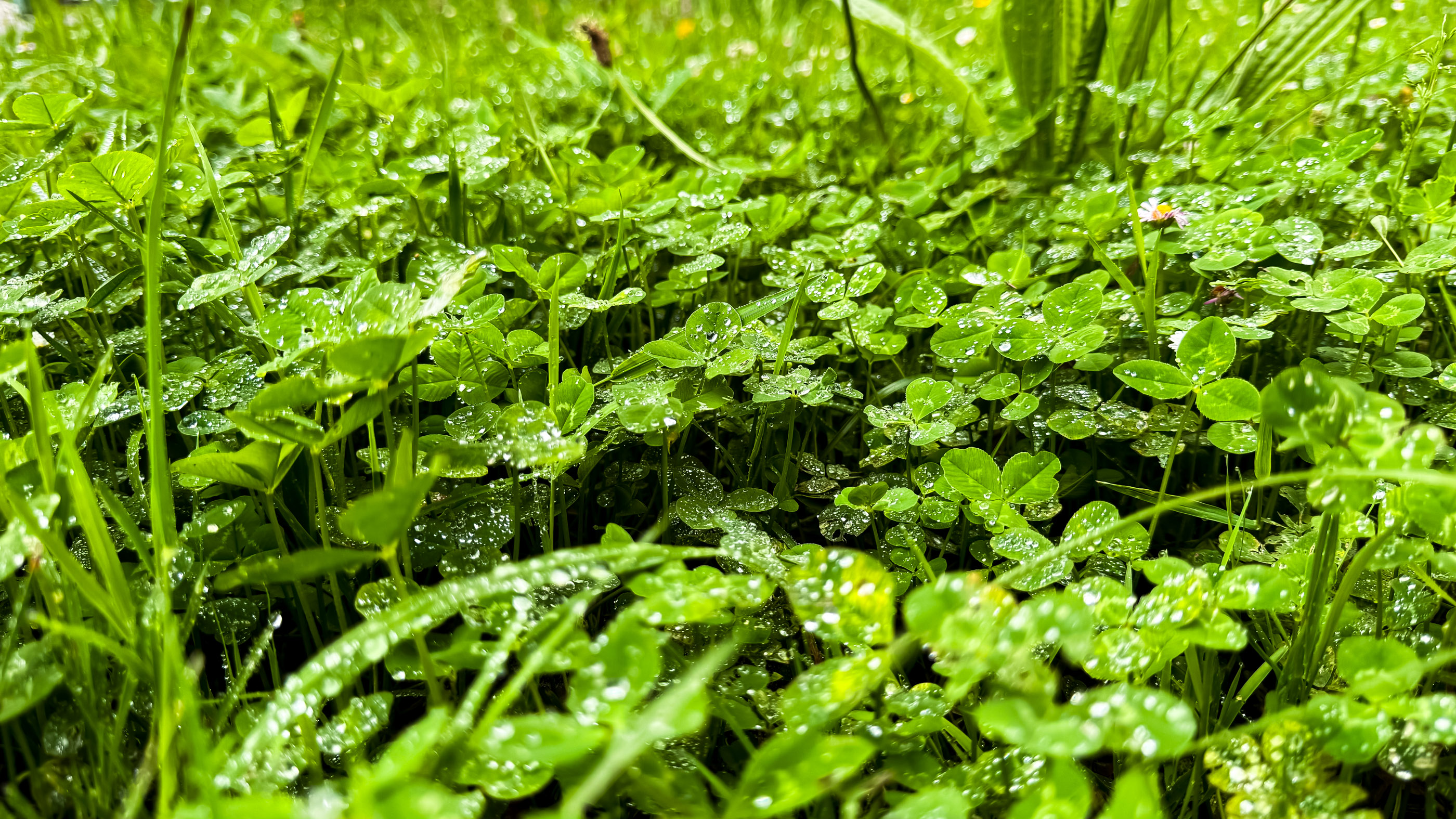
The chemical-heavy, high-maintenance lawn is losing ground — literally. Regenerative design is the direction homeowners are moving in 2026, and it's not just an environmental choice. It's a practical one.
What this means for you: You don't have to tear out your whole lawn. Start with one area — a shady patch that never grew well, or a low spot that floods every spring. Swap it for fescue, add a pollinator pocket at the border, and see how little work it actually takes. Dakota County also offers grants up to $400 for rain garden installations — worth a call before you start.
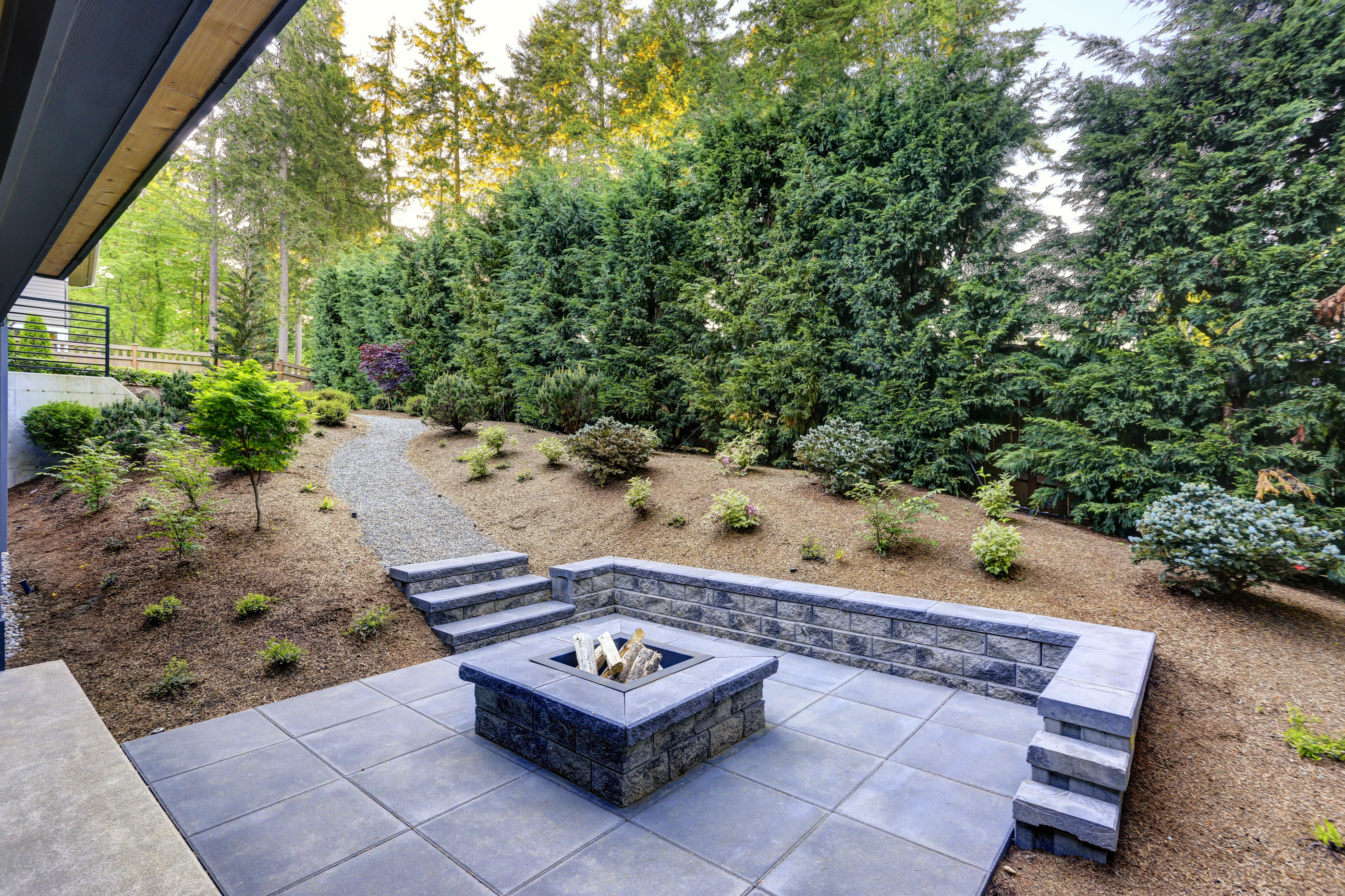
The cold gray minimalism of the early 2020s is being replaced by something warmer and more livable — materials and layouts that look as good in February as they do in July.
What this means for you: Before you pick a paver color, think about how the yard looks in November. Pull a sample on a cloudy day, not a sunny one. If it looks cold and flat in low light, it'll look that way six months of the year. Warm tones age better in this climate — and they photograph better too.

Food costs aren't going down. More homeowners are asking why a plant that just looks nice is taking up space that could look nice and feed them.
What this means for you: Next time you're replacing a shrub that's overgrown or struggling, look at Serviceberry or Honeyberry before defaulting to another ornamental. Same visual payoff, three seasons of interest, and you get fruit. It's an easy swap that most people don't think to ask about.

Lighting in 2026 is about mood, not wattage.
What this means for you: If you're adding or updating lighting, ask specifically for downward-shielded fixtures and tunable color temperature. These aren't premium upgrades — they're standard spec now. If a lighting contractor isn't talking about color temperature, they're behind.
Pro Tip for 2026 — No-Till Gardening: Skip the tiller. Twin Cities clay compacts easily, and tilling destroys the microbial structure that makes soil actually work. Layer compost and mulch on the surface and let earthworms do the rest. Slower upfront, significantly better long-term — and the University of Minnesota Extension backs it.
Serving Woodbury, Edina, Eden Prairie, White Bear Lake, Eagan, Mendota Heights, Apple Valley, Minneapolis, St. Paul, and surrounding Twin Cities communities.